Table of Content
Keep all supplies, including paints, gas equipment, and other chemicals away from gas lines. Make sure the gas line fits loosely when you attach it so you can avoid causing new leak points. Apply rubber tape to hold the grip firmly in place to ensure the leak is sealed well.

After making sure that the valve is firmly closed, you should soapy water leak test the entire valve assembly to check for any possible leaks, prior to transport. ♦ To detect a gas leak in your home, start by putting some soapy water in a spray bottle or a dish. When you turn off the burner, gas stoves emit a blue flame. The color indicates there’s enough oxygen in the air in order for the gas to combust.
Locating a Leak on Your Gas Pipes
Ensuring proper ventilation of spaces where gas is being used is another way to stay safe — especially when it comes to generators in winter. Test your gas leak, carbon monoxide and smoke detectors monthly and be sure to replace batteries annually. Additionally, ensure you properly ventilate spaces where gas is being used, whether it’s a furnace, a stove, or a generator. Last but not least, establish a monthly cadence for testing your carbon monoxide and smoke detectors, and be sure to refresh batteries annually.
If it comes back with 4 pCi/L or higher, you need to call a professional to install a radon mitigation system in your home. While you might be able to fix some water heater problems on your own, more complicated issues will require the services of a professional. And sometimes, you'll need to replace your entire hot water heater. These appliances aren't designed to last forever, and they typically have a lifespan of eight to 12 years. To solve this problem, you'll need to contact a plumber who can clear and disinfect your water heater's tank. To prevent the smell from returning, don't leave hot water sitting in your water heater if you are leaving your home for two weeks or more.
How to Detect a Gas Leak
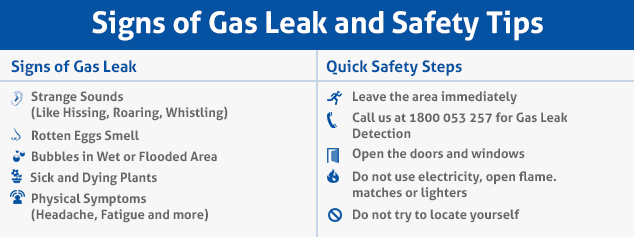
These devices can help you to easily detect gas leaks in your home. It’ll alert you with an alarm by emitting a louder sound at the critical moment of a gas leak. Carbon monoxide detectors should be installed in all bedrooms in the house. If houseplants suddenly start to die for no reason, it could be a sign of a gas leak. There are gas pipes under your house, if any gas line is leaked, it’ll take in oxygen.

On top of all that, leaks can also make your gas bill go up. If you experience any signs of carbon monoxide poisoning while operating your indoor gas appliance, you should stop using it until it is serviced by your gas fitter. Homes all over the United States use gases without ever having an incident and there is no reason to fear propane, methane or butane. But it is important to use caution to ensure the safety of everyone.
Get your grill and propane tank checked.
Before your trip, turn the gas or electricity off to your water heater. Cold water can sit in your tank without building up the bacteria that cause a foul odor. Remember to cover the entire hose assembly from the gas bottle valve to the hose attachment to the BBQ or heater with soap solution. Open the valve to pressurise the system, without turning on the burners, and look for soap bubbles or sniff for the rotten egg smell.
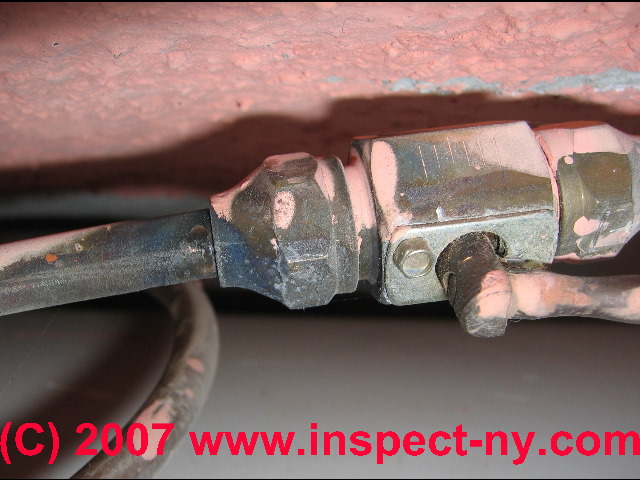
Of all the tools available to you, it isgas detectorsthat are going to be the most useful, as well as the most reliable. In other words, you need to know the basics of checking for gas leaks in your home. Dip a small paintbrush into the soapy water so the bristles are completely coated. Paint a thin layer of the water around the pipe connections where you think there may be a leak.
Applying soapy water to your pipes and gas line connections and looking for bubbles to indicate the presence of a leak can be useful, but it’s also not conclusive. Even if you don’t see visible indications of a leak, you should still treat the smell or other symptoms you’re experiencing seriously. Carbon monoxide detectors, while not designed to detect the presence of gas specifically, can alert you to potentially hazardous levels of air quality occurring in your home. We recommend Nest Protect, a smoke alarm and carbon monoxide detector rolled into one that plays well with other smart devices in your home. Many workplaces and homes have gas powered appliances, yet never think anything of potential gas leaks once it's been installed. Unfortunately gas leaks happen fairly often, sometimes leading to detrimental accidents.

People need to be educated about the signs and symptoms of gas leaks and what to do in case of a gas leak or suspected gas leak. The best option to detect harmful gas leaks is a hybrid alarm that detects both carbon monoxide and other explosive gases, such as methane, propane, and other natural gases. A natural gas leak occurs when a gas line or gas appliance springs a leak.
These gases are lighter than air, so place detectors high in the room. The most efficient way to find out if you have a gas leak is to use a gas leak detector. There are several gas leak detector options for you to choose from.

If you don’t hear anything but still want to make sure, you can also brush soap suds along any exposed piping while the burner is off. If you see the soapy mixture start to bubble in any spot along the gas line, it’s a sign you have a leak. Stop for a moment and consider the number of appliances in the home that run on gas. These days, many stoves, furnaces, and water heaters operate smoothly and safely on propane or natural gas.
If you think there may be a gas leak in your home, a quick and reliable way to detect it is to check for bubbles. First, take a cup of water, and mix with it a thick solution of one teaspoon of detergent. Now wipe with a cloth or sponge where you think there is a leak in the gas connection. Refrain from using flammable substances or lighters during this time. You can take the help of certain smells to check if there are any gas leaks in your house. Propane is also a flammable gas, so even a small spark can ignite it, so it should be more careful in its use.




No comments:
Post a Comment